
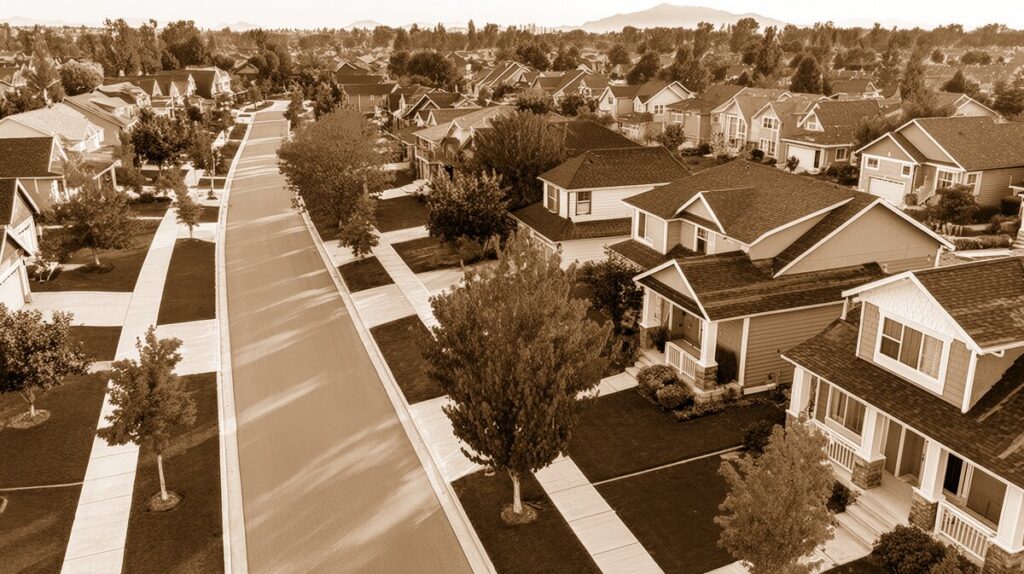
Nestled just a couple of miles east of the bustling Victor village center lies a community rich in charm, resilience, and history: East Victor. For generations, East Victor has been more than just a place to live — it’s a neighborhood shaped by pioneers, rooted in tradition, and defined by landmarks that tell the story of Victor itself. Whether you’re a newcomer or a lifelong resident, exploring East Victor means uncovering stories that stretch back almost two centuries.
Origins of East Victor
East Victor’s roots date back to the early 19th century, just after the founding of the town of Victor in 1812. The area naturally grew as settlers followed routes like what is now Route 96 and County Road 9 (then called the Victor-Bloomfield Road), which became the backbone of local travel and trade. The fertile farmland, abundance of water, and close-knit spirit drew families who built homesteads, tilled the soil, and created a close-knit farming community.
The name "East Victor" began simply as a practical way to distinguish this neighborhood from the village center, especially as the town expanded and regional travel grew. Over time, East Victor became its own loosely-defined district, recognized by old maps and by the legacy of its residents.
Key Historical Milestones
Over the decades, East Victor saw many small, significant milestones that helped it flourish:
- The East Victor Church: One of the earliest institutions, the East Victor Methodist Church was established in the 1800s, serving as both a place of worship and a community gathering spot. The church’s original building, located near the intersection of Victor-Egypt Road and East Victor Road, became an anchor for the area, hosting not only weekly services but also social events, weddings, and holiday celebrations.
- The Post Office Era: In the mid-19th century, East Victor boasted its own post office, which set it apart as a proper hamlet within the larger town. Though the post office eventually closed, this small focal point fostered a sense of independence and neighborliness.
- Agricultural Heritage: The old farmsteads along East Victor Road and Lane Road paint a vivid picture of the neighborhood’s agricultural backbone. Many local families can still trace their roots to those who tilled these fields, producing everything from dairy to apples and grains.
- Education and Community: Early one-room schoolhouses gave way to modern institutions, but East Victor always prioritized education. Some of these schoolhouses still stand, converted into private homes, a quiet reminder of the community’s commitment to learning.
Notable Landmarks and Buildings
Though East Victor remains primarily residential and rural, a handful of landmark structures help preserve its story:
- The East Victor United Methodist Church: Rebuilt and lovingly maintained, this church continues to hold services and foster community ties. Its white steeple, visible from East Victor Road, remains a symbol of the neighborhood’s enduring faith.
- Historic Homes and Barns: Driving along East Victor Road, Lane Road, or Strong Road, you’ll spot classic farmhouses, barns, and outbuildings with weathered beams and hand-laid stone foundations. Many have been restored with care, blending modern comfort with original architecture.
- Victor Municipal Park: Near the border of East Victor, this park is a modern addition that serves as a gathering place for families and friends. Walking trails wind through scenic woods and fields that once supported crops and cattle, offering a gentle bridge between past and present.
Evolution Over the Decades
The story of East Victor isn’t static — it’s a tale of constant adaptation. In the late 19th and early 20th centuries, East Victor’s farms prospered along the busy thoroughfares, even as the rise of the railroad shifted commerce toward Victor village proper. The introduction of the automobile further changed local life, making commutes easier and encouraging suburban growth.
By the mid-20th century, many old family farms were divided into smaller lots or gently folded into the growing Victor residential community. Yet much of East Victor retained its bucolic charm, with open fields, hedgerows, and woodlots lending a sense of tranquility just minutes from Main Street. Today, you’ll find a blend of generations-old homes and newer constructions, all sharing the same rolling countryside.
Streets, Parks, and Institutions: Anchoring Community
East Victor Road forms the neighborhood’s true backbone, running from the village border out toward Egypt and Bloomfield. Lane Road, Strong Road, and parts of Boughton Hill Road (Route 444) weave through the district, connecting homes, farms, and wooded tracts.
A few highlights include:
- East Victor Cemetery: A quiet space along Victor-Egypt Road, where centuries-old gravestones mark the final resting places of early settlers, war veterans, and local families.
- Neighborhood Farms: Many of the area’s working farms — some with family histories dating back over a hundred years — dot the landscape, offering local produce and standing as living history.
For younger families, Victor Central School District serves the area with pride, continuing East Victor's strong educational tradition. Community events, many centered at the church or municipal park, bring everyone together for summer fairs, holiday light displays, and outdoor concerts that echo the social gatherings of earlier days.
What Makes East Victor Special
Ask any longtime resident, and you’ll hear the same refrain: East Victor is a place where history breathes in the rolling fields, old stone walls, and warm greetings between neighbors. It’s a place defined not only by its past but by the pride its residents take in preserving what’s best about country living — open land, local heritage, and a welcoming spirit.
While new faces move in and modern development slowly encroaches, the essence of East Victor remains unchanged. Here, the days are a bit quieter, the nights a little darker, and the connection to Victor’s earliest days is refreshingly close to the surface. Whether you’re admiring a 19th-century farmhouse on Lane Road, attending a church brunch, or watching the seasons shift across the broad fields, you’re a part of a living legacy.
East Victor isn’t just a neighborhood — it’s a chapter in Victor’s story that continues to be written, one family, street, and season at a time.